Exploring the Science Behind Gradual Skin Volume Restoration with Biostimulants
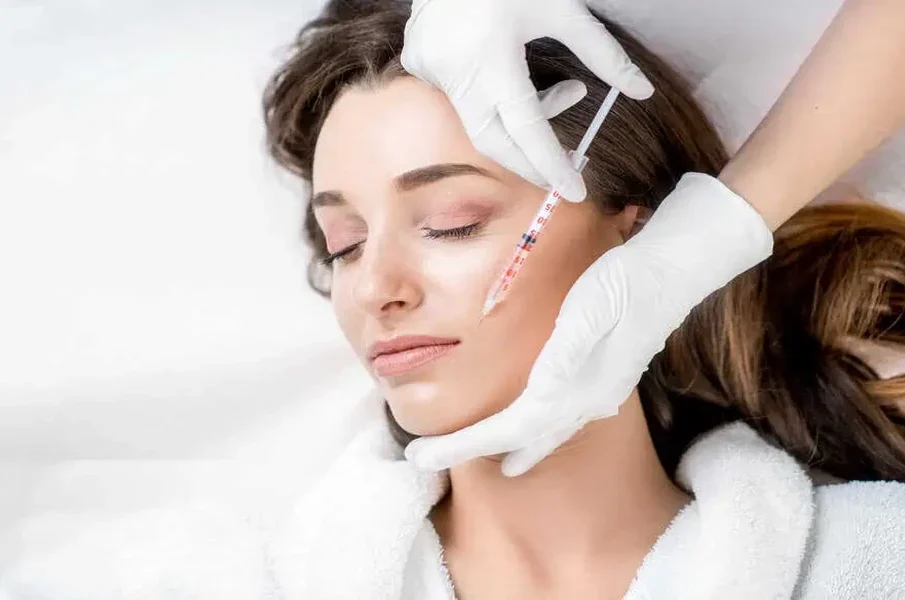
The search for natural, long-lasting skin rejuvenation has never been more dynamic. In a landscape filled with instant fixes, biostimulants like Poly-L-Lactic Acid (PLLA) are quietly rewriting the script by harnessing the body’s own regenerative power. Unlike traditional fillers, these treatments don’t just fill; they coax your skin into rebuilding itself.
Origins of Biostimulants in Aesthetic Medicine
Early Medical Uses of Poly-L-Lactic Acid (PLLA)
PLLA’s journey began not in cosmetic clinics but in medical wards. First approved in 1999, PLLA was originally used to combat severe volume loss in patients with HIV-associated lipoatrophy. This medical heritage gave PLLA a track record for safety and efficacy, building its reputation as a solution for deep soft tissue loss when few other options existed.
Transition from Medical to Cosmetic Applications
It didn’t take long for practitioners to notice that the same principle, restoring lost volume, could also address the facial hollowing and laxity that come with age. Over time, PLLA evolved from a specialist’s tool into a sought-after option for anyone seeking subtle, authentic rejuvenation.
Understanding PLLA: Composition and Mechanism
What is Poly-L-Lactic Acid?
PLLA is a synthetic polymer derived from fruit acids. It is both biocompatible and biodegradable, meaning it integrates safely and naturally into the body, breaking down gradually over time.
Immediate Effects vs. Long-Term Collagen Stimulation
After injection, PLLA is suspended in sterile water, which gives an initial, temporary plumping effect as the water inflates tissue spaces. However, this effect fades within days, revealing the true star of the show: the stimulation of new collagen.
The Role of Fibroblasts and Collagen in Volume Restoration
Once the water dissipates, PLLA microparticles act as scaffolding, stimulating fibroblasts (the skin’s collagen factories) to ramp up production. Collagen synthesis takes weeks to months, but the payoff is firmer, thicker, and more resilient skin.
Evolution of Treatment Techniques with PLLA
Initial Injection Protocols and Patient Selection
Early protocols focused on patients with severe volume loss, emphasizing deep injection into areas where fat and connective tissue were depleted. Over time, practitioners refined the selection process to include those seeking prevention or subtle enhancement, not just correction.
Refinements in Injection Methods for Face and Body
Techniques became more nuanced as practitioners learned to tailor depth, dilution, and placement for each area, cheeks, temples, jawline, and chin, as well as body regions like the buttocks, arms, and abdomen.
Current Best Practices and Safety Considerations
Best practices now hinge on gradual, layered treatments over several sessions. This approach minimizes risk of lumps or unevenness, while maximizing the natural integration of new collagen. Patient safety remains paramount, especially with body applications, which are off-label in some countries.
The Science of Gradual Volume Restoration
How PLLA Stimulates Collagen Over Time
The core advantage of PLLA is its ability to drive the skin’s regenerative process without abrupt or artificial-looking changes. After each treatment, collagen fibers accumulate slowly, enhancing volume and skin quality in a subtle arc of improvement.
Timeline of Collagen Production and Skin Rejuvenation
Most patients require two to three sessions, spaced about a month apart. Collagen production ramps up over several months, and the rejuvenation can last for up to two years, far exceeding the typical six to twelve months of hyaluronic acid fillers.
Differences from Traditional Dermal Fillers
Traditional fillers provide instant results but fade as the material is absorbed. PLLA offers a gradual transformation as your skin becomes structurally stronger and more elastic from within.
Clinical Applications and Versatility
Facial Volume Restoration: Areas and Outcomes
PLLA shines in areas of facial fat loss, cheeks, temples, jawline, and chin, where it restores softness and support without heaviness or puffiness.
Body Contouring: Buttocks, Arms, Abdomen, and More
The same principles apply to the body. Non-surgical buttock lifts, rejuvenation of the arms, and improvements in the texture of abdominal skin have all been achieved by harnessing collagen’s restoring effects. These off-label uses expand the toolbox for practitioners addressing post-liposuction depressions or age-related laxity.
Addressing Skin Laxity and Texture Improvements
As collagen builds, not only does volume return, but skin tightness and texture also improve, creating results that look and feel natural.
Treatment Regimens and Patient Experience
Number of Sessions and Scheduling
The optimal regimen involves two or three sessions, each about a month apart, with the number of treatments tailored to the degree of volume loss and the patient’s age.
Managing Patient Expectations and Results Longevity
Because changes are incremental, setting realistic expectations is essential. Most patients appreciate the gradual, natural transformation and are pleased with the longevity, up to two years, of their results.
Maintenance Strategies and Long-Term Care
A yearly maintenance session is often recommended to keep pace with ongoing aging and collagen breakdown. This approach helps sustain results without overcorrection.
Regulatory Landscape and Future Directions
Approved Uses and Off-Label Applications Globally
In Canada, PLLA is approved for facial use, while body applications remain off-label. Regulatory stances differ globally, underscoring the importance of choosing a qualified provider.
Emerging Research and Potential New Indications
Researchers are exploring new formulations and applications, including combination therapies that may further improve outcomes.
Innovations in Biostimulant Formulations and Techniques
As biostimulant science evolves, expect even safer, more targeted solutions, and a future where skin restoration becomes increasingly personalized.
Integrating Biostimulants into Regenerative Aesthetics
Combining PLLA with other treatments, such as energy-based devices or neuromodulators, can enhance outcomes. Personalized regimens, tailored by age, skin type, and goals, are at the forefront of regenerative aesthetics. For those seeking expert guidance, resources like the Clinique Anti Aging Scultpra injections page offer insight into how science and artistry meet to deliver natural, long-lasting volume restoration.
The promise of gradual, authentic rejuvenation is here, and it is built from the inside out.