
How do you identify and manage invasive weeds when growing native turf from seed?
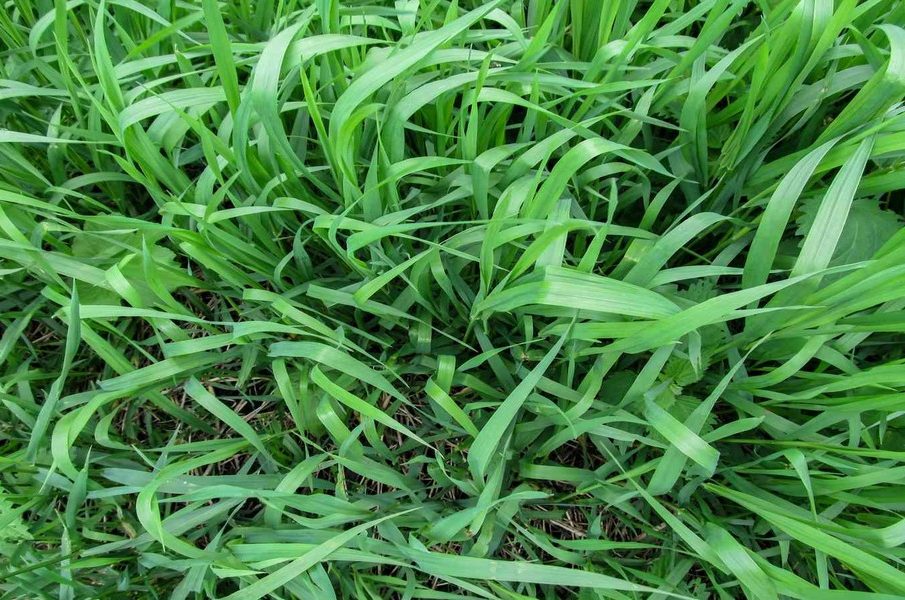
The establishment of a natural lawn is not only a process that requires time, but also effective management of the land. The use of local grass brings about numerous benefits, such as drought resistance and easy maintenance; nevertheless, there is a high likelihood that undesirable vegetation will find its way into your lawn at the initial stages of planting. Foreign vegetation grows rapidly and can become a source of competition for the necessary resources, including light, water, and nutrients. Identification and subsequent intervention make sure that your new sustainable lawn will take root.Identification of Unwanted Plants in Developing LawnsEarly plant identification will save your developing lawn from becoming overrun by other types of vegetation. Starting with using dk seeds native turf will create a good basis for your lawn, but monitoring your soil during germination is also important. Unwanted plants can grow much faster than your grass, may have wider leaves compared to your planting, or have unusual colors that differ from your selected variety. The colors of these unwanted plants can range from pale green to dark purple.Essential Traits of Common IntrudersLarge leaves with rough surfaces shade young grass seedlings trying to grow.Fast-growing taproots that suck up moisture from the adjacent soil zones.Abundant seed formation may endanger next year’s lawn establishment process.Quick-spreading stolons that quickly cover turf seedlings with an unwanted carpet.Early Steps in the Preparation of the Field Avoid Future IssuesYour lawn development project will depend on the preparatory work done beforehand. Weeding of the topsoil will aid in eliminating weed seed and vegetative parts that may germinate. The stale seedbed method involves wet soil and letting weeds grow, which are then dug out before seeding your lawn. This is the ideal method of minimizing the competition for your grass. A good start to a healthy lawn development process is ensured by proper field preparation.Effective Cultural Practices Foster Turf Dominance
- Proper watering schedules keep the topsoil moist without creating pools.
- Correct mowing heights encourage horizontal grass spreading rather than vertical weeds.
- Strategic fertilization strengthens grass roots while starving opportunistic wild plants.
- Adequate soil aeration ensures optimal oxygen movement for superior root development.
Strategic Manual Removal Safeguards Young Shoots
The removal of plants through hand-pulling is one of the most reliable and safe methods when it comes to newly created lawns. The advantage of this method is that you will be able to pull up the plants without harming other seedlings that are growing around the weeds. The ideal time for carrying out this process is when the soil is moist, because in this way, the root system will be easy to pull out without any difficulties. Consistency of the process for at least two months guarantees you that plants won’t be able to seed.
Understanding Grass Growth Dynamics and Resource Competition
| Grass Development Phase | Average Weed Competition Impact | Recommended Management Focus |
|---|---|---|
| Germination (Days 1-14) | High (Resource Theft) | Soil moisture regulation |
| Establishment (Days 15-45) | Medium (Shading Effects) | Targeted manual extraction |
| Maturation (Day 46+) | Low (Turf Dominance) | Strategic height mowing |
Sustainable Green SolutionsFrom the start, observation and maintenance during the seeding phase are critical for a sustainable lawn. Manually removing unwanted weeds and appropriately treating the soil helps to lower resource rivalry between plants, therefore increasing their chances of survival. Early intervention keeps the grass from getting damaged and keeps it environmentally friendly. Choosing premium grass seeds like the dk seed native turf helps to ensure the effective development of an environmentally friendly lawn that is also pest-resistant and can withstand varying climate conditions. Frequently Asked Questions
How many days would it take for the local grass seeds to totally germinate?
Local grass kinds grow in 14-21 days following complete germination.
Can regular chemical herbicides be used on fresh grass?
Never apply chemical treatments to young lawns since the synthetic formula might kill or damage fragile, recently germinated grass plants.
Why is the planted turf seed taking so long to grow?
Wild opportunistic plants thrive naturally where it is not grown and naturally prefer to rise swiftly to catch the light before anything else.


